
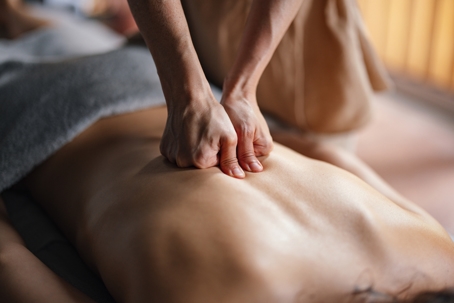
Is It Normal for a Massage to Be Painful?
Estimated Reading Time: 5–6 minutes
Table of Contents
- Why Some Massage Techniques Hurt
- What Kind of Pain Is Normal During a Massage
- What Kind of Pain Is Not Normal
- Why Some People Feel Sore After a Massage
- When Massage Pain Might Be a Sign of a Problem
- What Physical Therapy Can Do for Muscle Tension and Soreness
Many people expect a massage to feel relaxing from start to finish. So when a therapist presses on a tight spot and it hurts a little, it can feel surprising. Some people even worry something is wrong. The truth is that certain kinds of massage can cause mild, short discomfort, especially when working on tight muscles, trigger points, or areas that have been tense for a long time. The key is knowing what type of pain is normal and what type of pain is a sign to speak up.
Massage affects the soft tissues of the body. When muscles are tight, the pressure needed to release them can create a bit of soreness. This is similar to the soreness you might feel after exercise. It is part of how the tissue responds to pressure and improved blood flow. Still, pain should not feel sharp, burning, or unbearable. Your body will tell you when something does not feel right.
Why Some Massage Techniques Hurt
Some pressure from massage works on muscles that are stiff or have knots. These knots are called trigger points. When a therapist presses on a trigger point, the area may feel sore or tender. This is normal because the pressure helps loosen the tissue and improve circulation.
Deep tissue massage can also feel uncomfortable for a moment. It targets deeper layers of muscle to release tension that has built up over time. The discomfort usually fades quickly and is replaced by a sense of relief.
A study published in the Journal of Alternative and Complementary Medicine showed that deep tissue massage often improves pain levels and muscle function, even when mild discomfort happens during the session. This shows that short, controlled discomfort is not harmful and can be part of the healing process.
However, the pressure should always stay within a level you can handle. A common guide is that the discomfort should feel like a “good pain” and not something that makes you tense up or hold your breath.
What Kind of Pain Is Normal During a Massage?
Normal sensations during a massage include:
- Mild soreness on tight muscles
- Tenderness when pressing on knots
- A feeling of pressure that is strong but tolerable
- Temporary discomfort that fades in a few seconds
These sensations usually mean that the therapist is working on areas that need attention. After the massage, the area may feel loose or warm, and light soreness may appear later in the day. This soreness should not last more than one or two days.
What Kind of Pain Is Not Normal?
Some pain is a sign that the technique or pressure is not right for your body. Pain that is not normal includes:
- Sharp or stabbing pain
- Burning or tingling
- Sudden pain that spreads down a limb
- Pain that makes you pull away or tense your muscles
- Pain that continues long after the massage
These sensations may mean the pressure is too strong or the therapist is pushing on the wrong tissues. It is always okay to speak up. Saying “a little lighter please” helps your therapist adjust the technique so you stay safe and comfortable.
If you already have an injury, like a muscle tear or strong inflammation, some massage techniques can make the pain worse. This is why it is important to tell your therapist about any injuries before the session.
Why Some People Feel Sore After a Massage
Feeling sore later in the day is normal, especially after deep tissue work. This is because the muscles have been stretched and pressed in ways they are not used to. This soreness is similar to what you feel after a good workout. Drinking water, using a warm compress, or gentle stretching can help.
The soreness should feel mild and should improve within one to two days. If the soreness becomes intense or lasts longer, the pressure may have been too strong for your body. Let your therapist know during your next visit so the session can be adjusted.
When Massage Pain Might Be a Sign of a Problem
Massage should not cause long-term discomfort. If pain gets worse instead of better, it may mean that your body needs a different approach. For example, sharp pain can happen when a muscle is already injured. Some injuries need specific treatment, not deep pressure.
If you notice swelling, numbness, or increased pain after a massage, a physical therapist can evaluate the problem. Massage can help many conditions, but it is not the only answer for every type of pain.
What Physical Therapy Can Do for Muscle Tension and Soreness
ProFysio Physical Therapy works with people who struggle with muscle tightness, soreness, and movement problems. Clients visit us because their pain keeps returning or because home treatment is no longer enough. Our team studies how your body moves, finds the source of the tension, and explains what is happening in simple terms so you can follow your treatment plan with confidence.
Hands-on physical therapy is often the first step. It helps improve joint motion, reduce muscle guarding, and train your body to move with less strain. When muscles are weak or overworked, guided strengthening and stretching build balance and stability so the same pain does not keep coming back.
Some people need more targeted care, which is why we offer different treatments that support soft tissue recovery and better movement. These include:
- Graston Technique® – It uses special tools to loosen tight tissue and scar buildup, and it helps improve movement in stiff areas.
- Cupping – It lifts the soft tissue to improve blood flow, and it helps ease heavy or achy muscle tension.
- Physical Therapy programs – These build strength, improve flexibility, and help fix the movement problems that cause pain.
Each treatment has a specific purpose, and your therapist will choose the best combination after evaluating your condition. Massage can help with short-term soreness, but when muscle pain keeps returning, physical therapy offers a more complete plan. If tension or discomfort is affecting your daily routine, ProFysio Physical Therapy can guide you toward safe and steady improvement.
If muscle tension is affecting your comfort or your ability to stay active, our physical therapists can help you find the right approach. Call us at (732) 812-5200 or complete our web form to connect with our team and begin your recovery.