
Toe Walking in Children: Harmless Phase or Something More?
Estimated Reading Time: 6–7 minutes
Table of Contents
- When It May Be Normal
- When It May Need Attention
- What Causes Persistent Toe Walking
- How Movement Patterns Develop
- How ProFysio Physical Therapy Supports Children’s Movement
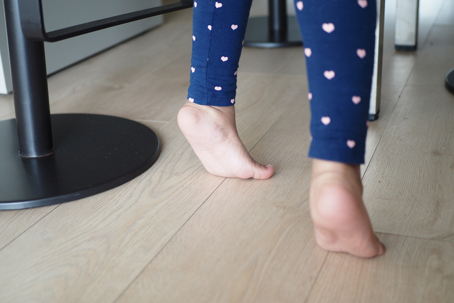
It often looks harmless. A child walks on their toes occasionally. It seems playful, even cute. Many families assume it is a phase that will pass on its own. Sometimes it does. Sometimes it does not.
What makes it easy to overlook is how subtle it can be in the beginning. Toe walking may only show up during certain activities or moments of excitement, so it does not immediately raise concern. Over time, though, if it becomes a consistent pattern, it can start to influence how a child moves, balances, and interacts with their environment.
When It May Be Normal
Toe walking can be a typical part of early movement development, especially in children under the age of two who are still learning how to walk and explore their surroundings. At this stage, their walking patterns are not yet fully refined, and brief periods of toe walking can simply be part of that learning process.
In many cases, it is not a concern if the child is able to walk flat-footed when prompted, if toe walking does not happen all the time, and if other developmental milestones are being met. These signs usually indicate that the child has the ability to move in different ways and is still experimenting with movement rather than relying on a single pattern.
When It May Need Attention
There are times when toe walking may benefit from a closer look, particularly if it continues beyond the toddler years or becomes the child’s primary way of walking. When a child consistently stays on their toes and rarely places their heels down, it may begin to affect balance, coordination, and overall movement development.
It may also be worth paying attention if toe walking is accompanied by delays in other motor skills or if certain movements seem more challenging than expected. According to the American Academy of Pediatrics, persistent toe walking can sometimes be associated with underlying neuromuscular or developmental factors, which is why early observation can be helpful.
What Causes Persistent Toe Walking
Possible contributing factors include:
- Tight calf muscles
- Sensory processing differences
- Habitual movement patterns
- Neurological conditions in some cases
A 2025 pediatric movement study noted that early evaluation can help guide appropriate intervention and improve long-term outcomes.
How Movement Patterns Develop
Children learn movement through repetition, which means the way they move regularly can shape how their bodies adapt over time. When toe walking becomes a habit, the muscles and joints begin to adjust to that pattern, which can influence how efficiently a child walks, runs, or balances.
Over time, this can affect muscle development and coordination. For example, a child who consistently walks on their toes may find it more difficult to perform activities like jumping or running, not because they lack ability, but because their movement patterns have not fully developed in a balanced way. Addressing these patterns early can help support more natural and efficient movement as they grow.
How ProFysio Physical Therapy Supports Children’s Movement
At ProFysio Physical Therapy, pediatric physical therapy focuses on helping children build more balanced and efficient movement patterns through guided, age-appropriate care. The goal is to support how children move in a way that feels natural, comfortable, and engaging for them.
Therapy sessions may include gentle stretching, strengthening exercises, and coordination activities that are often integrated into play. This approach helps children stay engaged while gradually improving how they walk, balance, and interact with their environment. Over time, these small improvements can support better overall movement and confidence in daily activities.
When to Take the Next Step
If toe walking has become a consistent pattern or something feels off about your child’s movement, it may help to get a clearer picture. Even subtle changes in how a child moves can be worth paying attention to, especially as they grow and become more active.
Early support can make a meaningful difference in how movement develops over time. Taking action early does not mean something is wrong. It simply means you are giving your child the opportunity to build stronger, more efficient movement patterns. With the right guidance, small adjustments today can support better coordination, balance, and confidence in the long run.
We’re here to support your child’s movement in a way that feels comfortable and encouraging. Call (732) 812-5200 or fill out our online form to schedule a consultation.